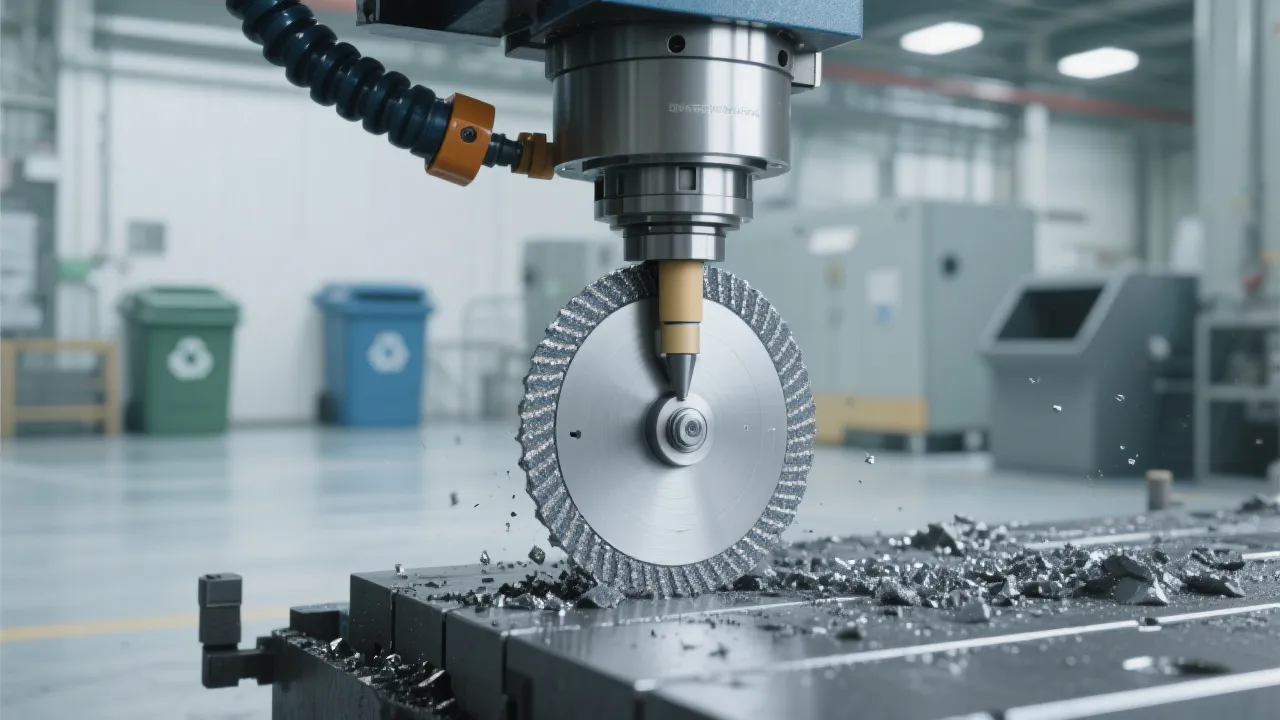
Pain point: Unexpected stoppages
Stronger diamond retention can help reduce sudden performance drop-offs that trigger mid-batch tool swaps—especially on granite with mixed mineral bands.
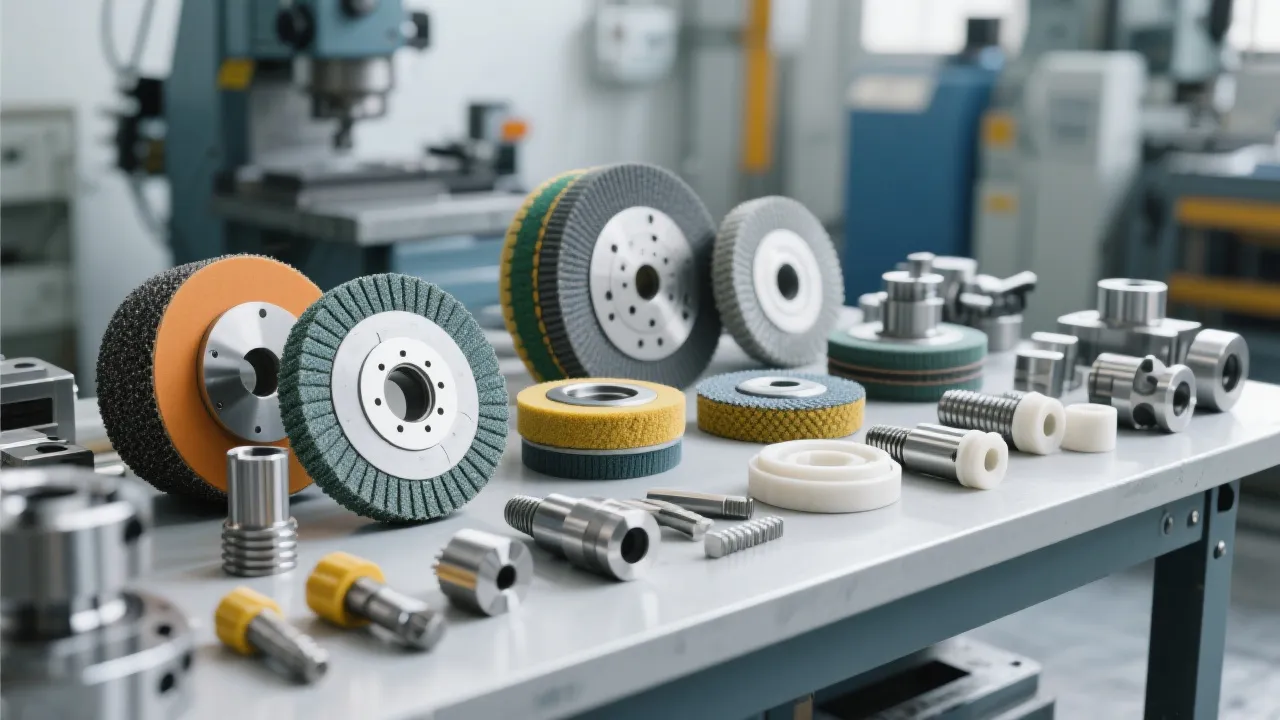
If you export stone products—or supply fabricators who do—your cutting tool is not just a consumable. It becomes a quality-control lever: edge chipping, surface finish, dimensional consistency, and downtime all trace back to how diamond is held on the tool. Brazed diamond cutting tools stand out because they rely on metallurgical bonding rather than “just sticking” abrasives to a surface. And in real-world granite and marble production, that difference often shows up as measurable gains in throughput and stability.
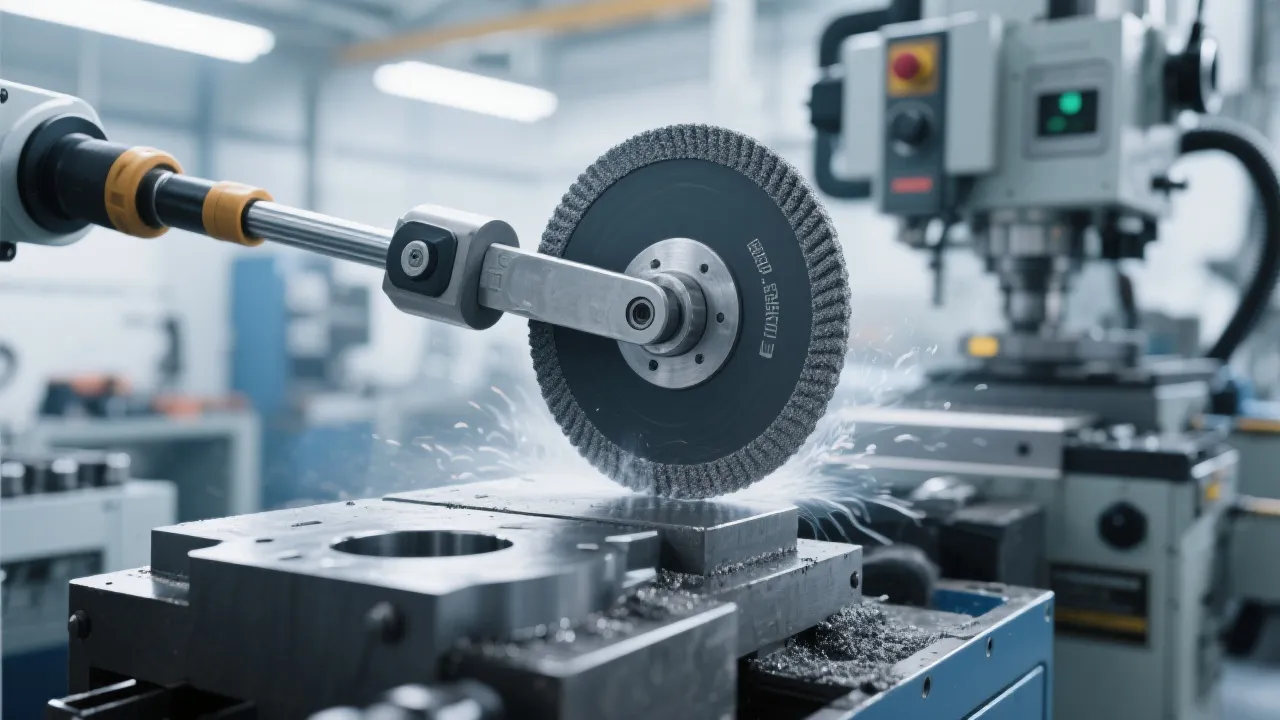
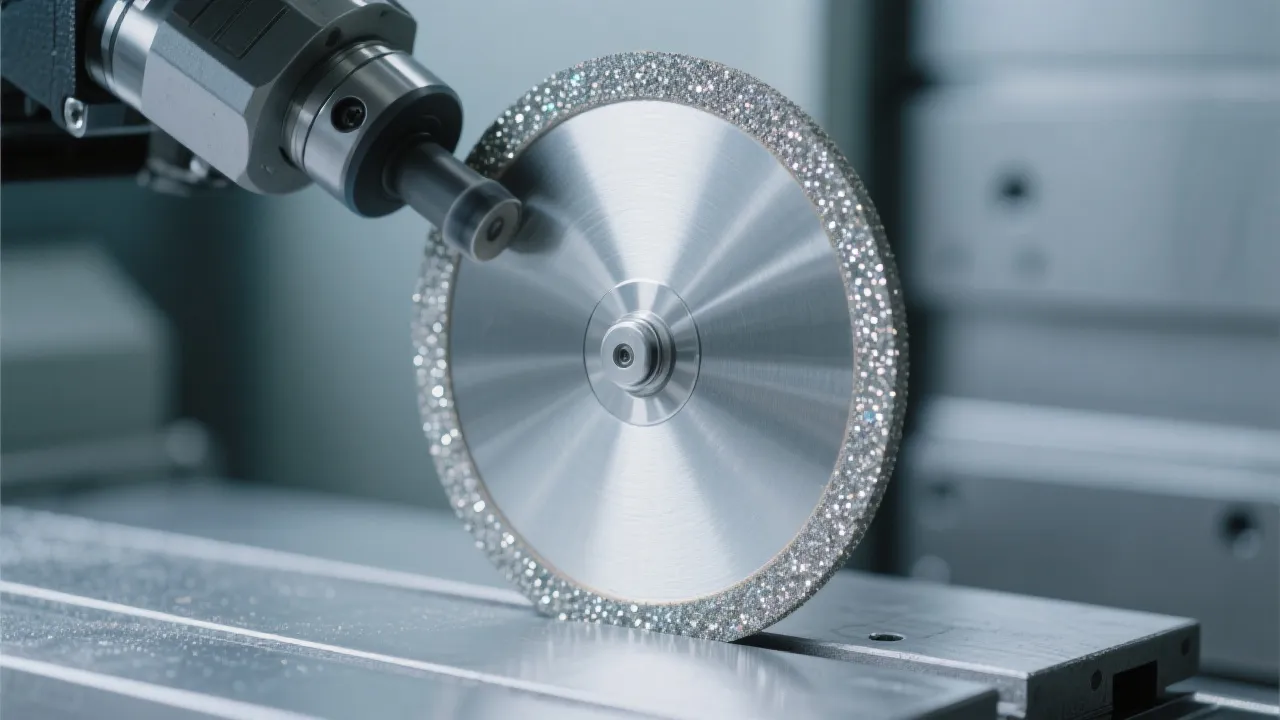
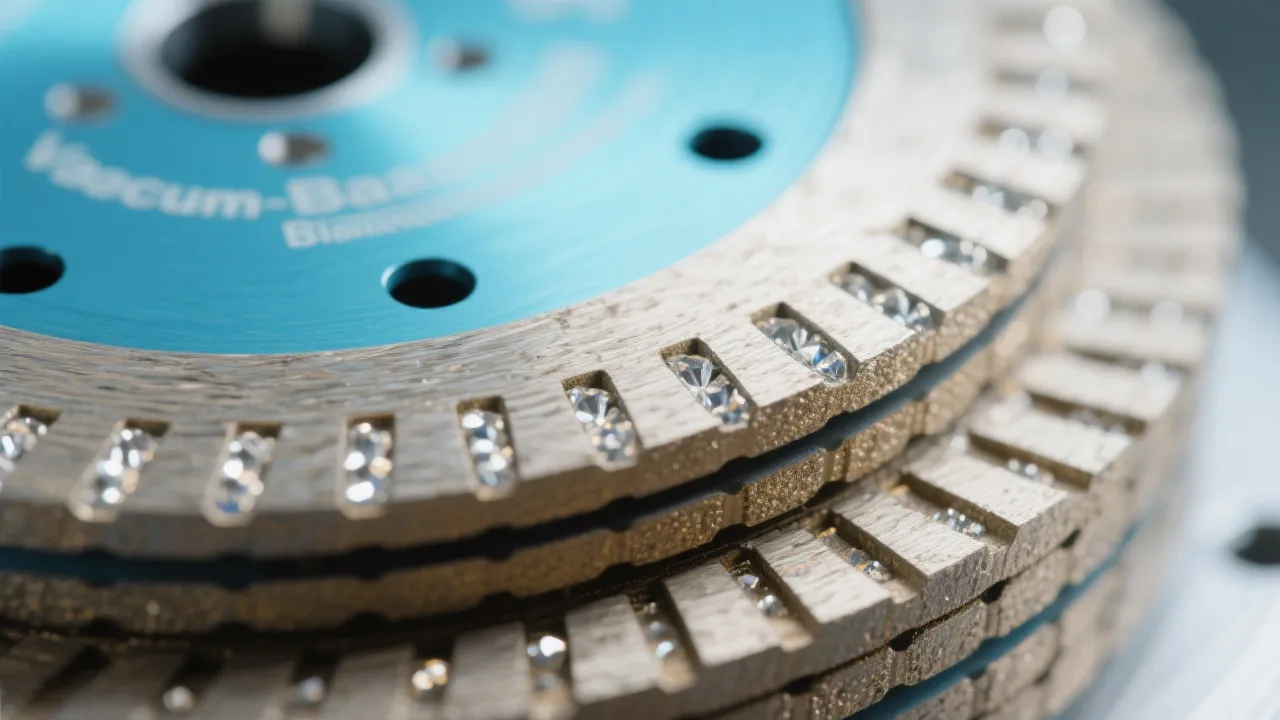
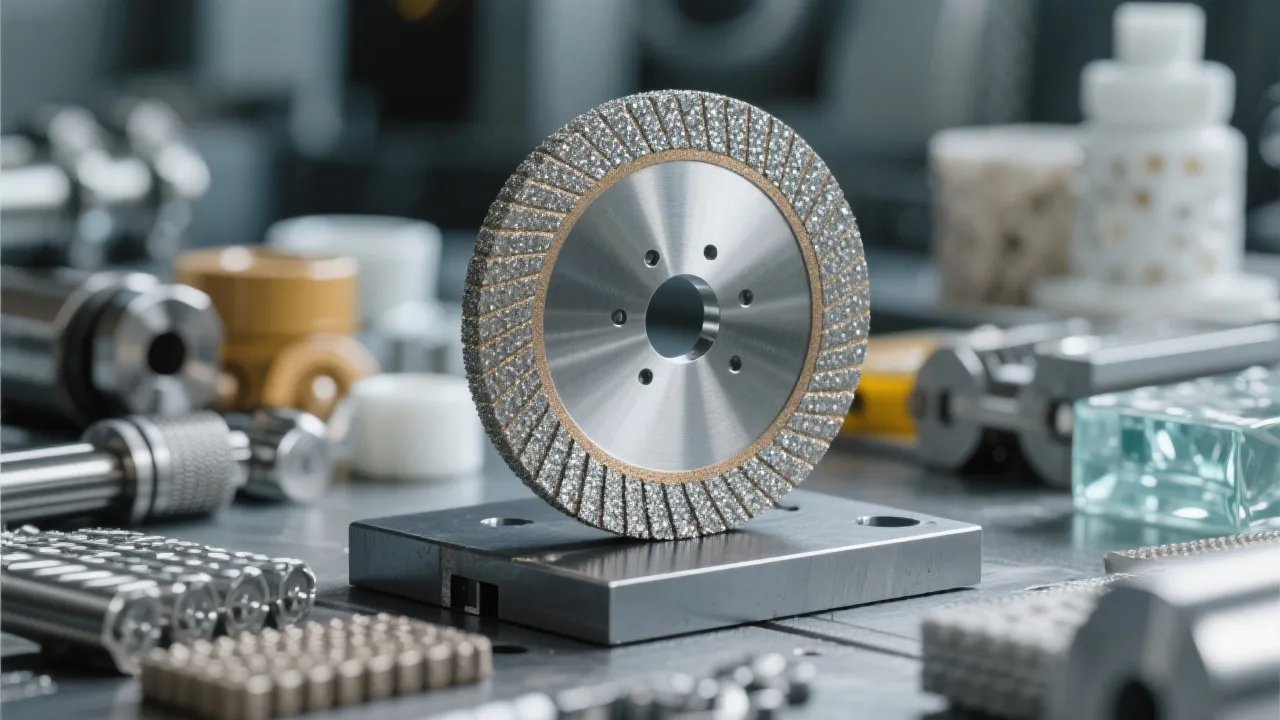
A typical brazed diamond cutting tool consists of three functional layers: a steel body (substrate), a brazing alloy layer, and diamond particles partially embedded and locked in place. Unlike resin-bond or conventional welded segments where diamond retention depends on mechanical grip alone, brazing forms a metallurgical “bridge” between alloy and substrate—and a strong wetting/anchoring interface around the diamond.
Layer A: Steel tool body (heat-treated for stiffness) → Layer B: Brazing alloy (often Ni/Ag/Cu-based systems) → Layer C: Exposed diamond grains with controlled protrusion height. The cutting happens at the protruding diamond tips, while the brazed alloy acts like a “load-sharing collar,” resisting pull-out under impact.
Here’s a practical analogy many production teams remember: brazing is like a “metal marriage”. Instead of relying on surface attraction, the alloy and base metal form a deeper relationship at the interface—harder to separate when the tool sees vibration, thermal cycling, and intermittent shock (common in veined stone or mixed mineral zones).
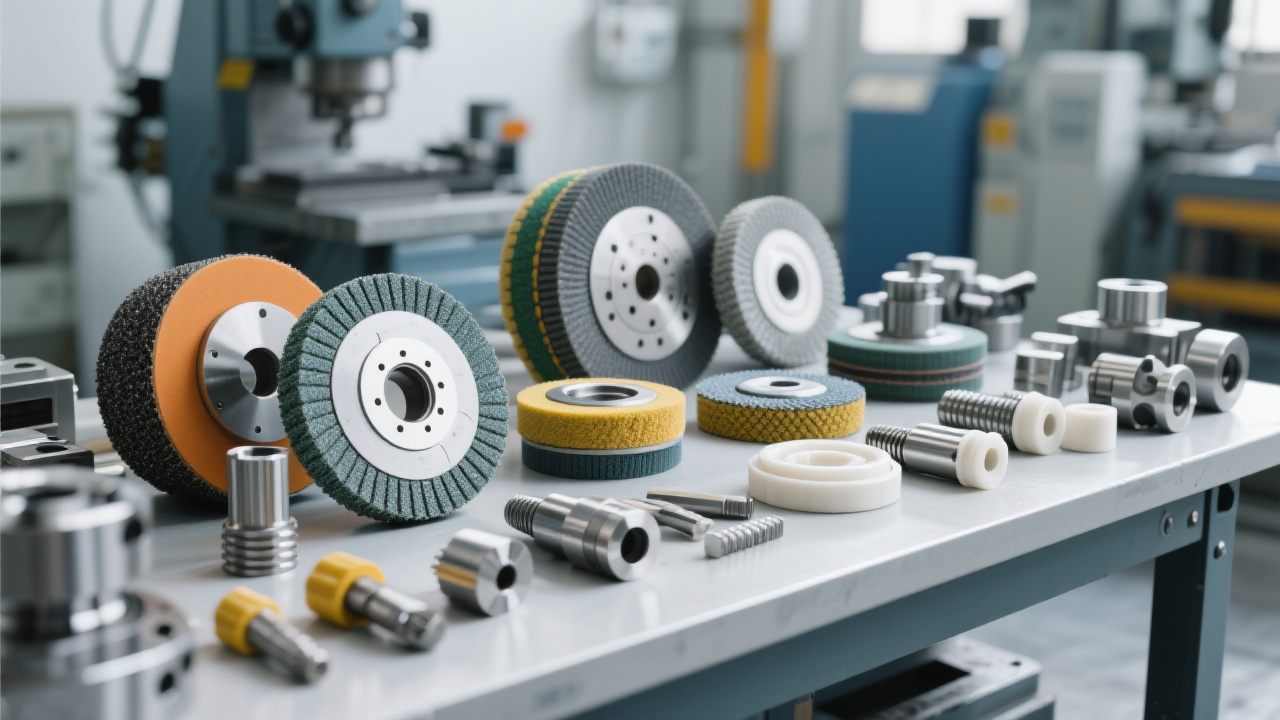
Buyers often compare tools by “sharpness” or “diamond grade,” but in stone export processing, the decisive factor is frequently the retention mechanism. If you’ve ever asked, “Why does the tool look fine but performance collapses mid-run?”—that’s usually bond failure or premature diamond loss.
| Bond type | How diamond is held | Typical strengths | Common limits in stone lines |
|---|---|---|---|
| Brazed | Metallurgical bond + alloy “collar” around grains | High retention, high protrusion, aggressive cutting | Needs controlled thermal process; alloy selection matters |
| Electroplated | Nickel plating “caps” diamond on surface | Very sharp initial bite, good for precision/light duty | Limited life once plating wears; diamond drop can accelerate |
| Conventional welded segment | Segment with sintered matrix; diamonds embedded | Stable for long runs; matrix self-renews as it wears | Less aggressive; can struggle on certain finishes or fast-cycle export orders |
In premium export workflows, the goal is not “maximum speed at any cost.” It is repeatable speed with predictable finish and fewer tool-change interruptions. Brazed tools are often chosen because they can keep a higher effective cutting rate longer before performance falls off.
Brazing is sensitive: the alloy must wet the steel and anchor diamonds without causing excessive thermal damage. In many industrial brazing systems, process windows commonly sit around 650–900°C (depending on alloy family and tool design). Too low and wetting is incomplete; too high or too long and you risk reducing diamond integrity or creating brittle intermetallic behavior.
If you’ve seen a tool that starts strong but suddenly “goes dull,” the cause may not be the diamond quality—it can be inconsistent brazing thickness, uneven diamond protrusion, or an alloy that doesn’t match your cutting temperature and coolant strategy. For export-grade stability, consistency in brazing quality often matters as much as the abrasive itself.
Brands like UHD typically focus on aligning alloy behavior, grain exposure, and thermal stability so that tool performance is not a “good batch vs. bad batch” surprise—especially important when your buyers expect repeatable results across containers and production lots.
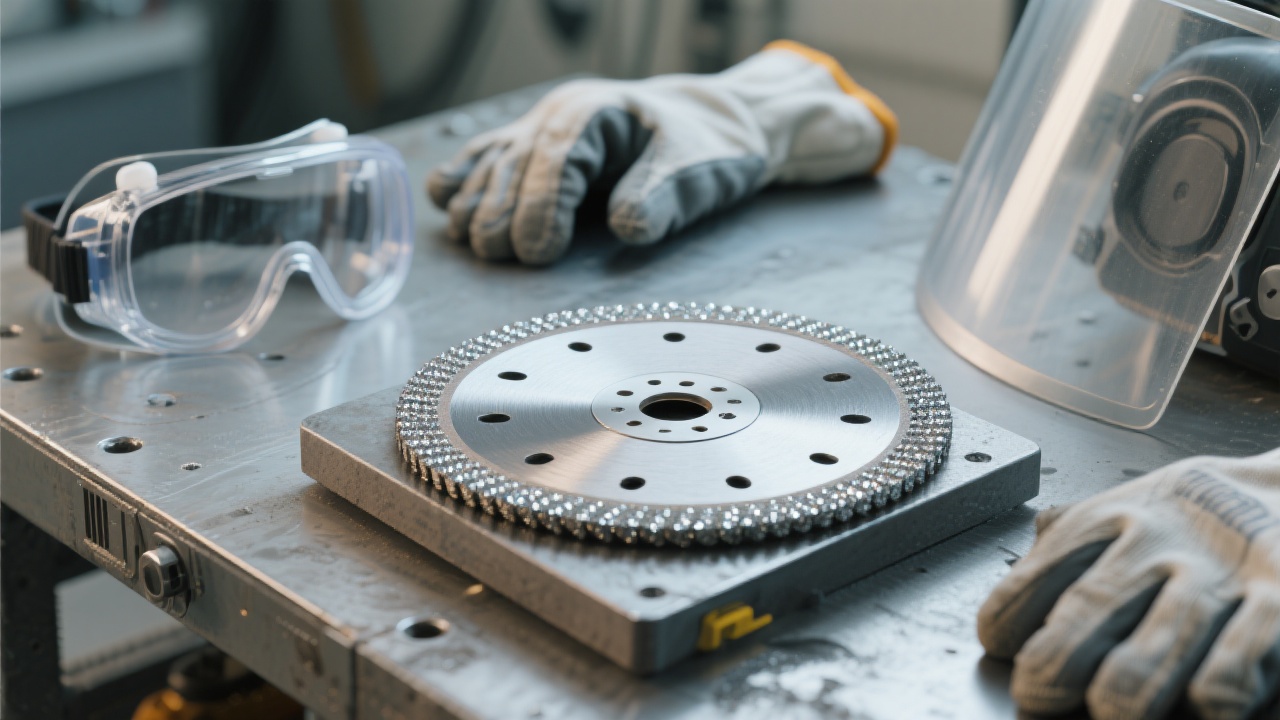
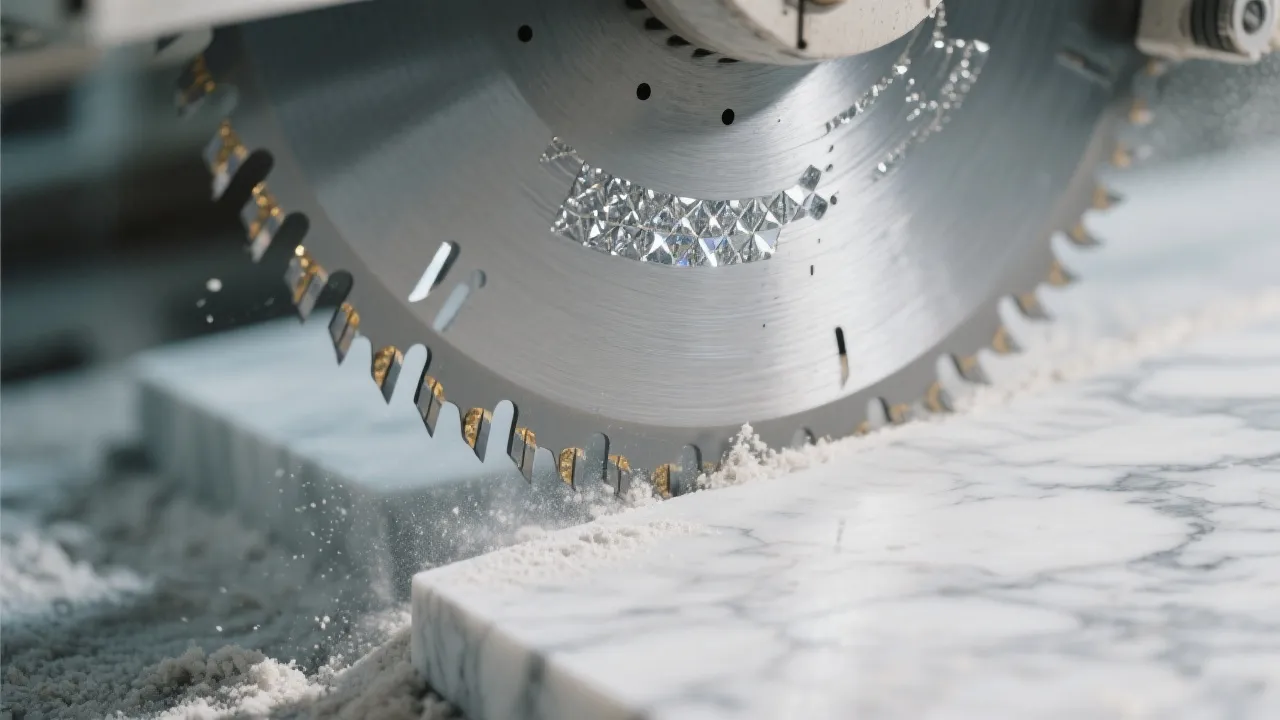
Granite (often Mohs ~6–7, with hard quartz phases) punishes weak retention. When diamonds pull out early, the tool loses its “active points,” friction rises, and heat increases—creating a loop that accelerates wear. With brazed tools, higher retention and protrusion can support more assertive cutting—when parameters are tuned correctly.
The key is not simply increasing speed. It’s maintaining a stable “chip formation rhythm” so diamonds cut rather than rub. If you’re hearing higher pitch squeal or seeing localized burn marks, your parameters may be forcing polishing friction instead of material removal.
Stone processors often standardize tools across many SKUs to simplify procurement. But thickness changes loading conditions dramatically. Are you cutting thin architectural panels, standard 20–30 mm slabs, or thicker countertop blanks? Each scenario benefits from different edge geometry and diamond exposure.
| Application | Typical thickness | Edge/diamond design tendency | Why it matters |
|---|---|---|---|
| Thin panels / cladding | 10–20 mm | Finer grit, controlled protrusion | Lower chipping risk, better edge aesthetics |
| Standard slabs / countertops | 20–30 mm | Balanced grit + stronger retention | Throughput + finish balance for export QC |
| Thick blocks / heavy-duty cuts | 30–50+ mm | More robust edge form, impact tolerance | Survives intermittent shock and heat buildup |
If you’re selecting tools for export programs, geometry matching is not a “nice-to-have.” It is a way to keep the same line producing consistent edges across multiple destinations where acceptance criteria differ (e.g., visible edge quality for premium interior projects).
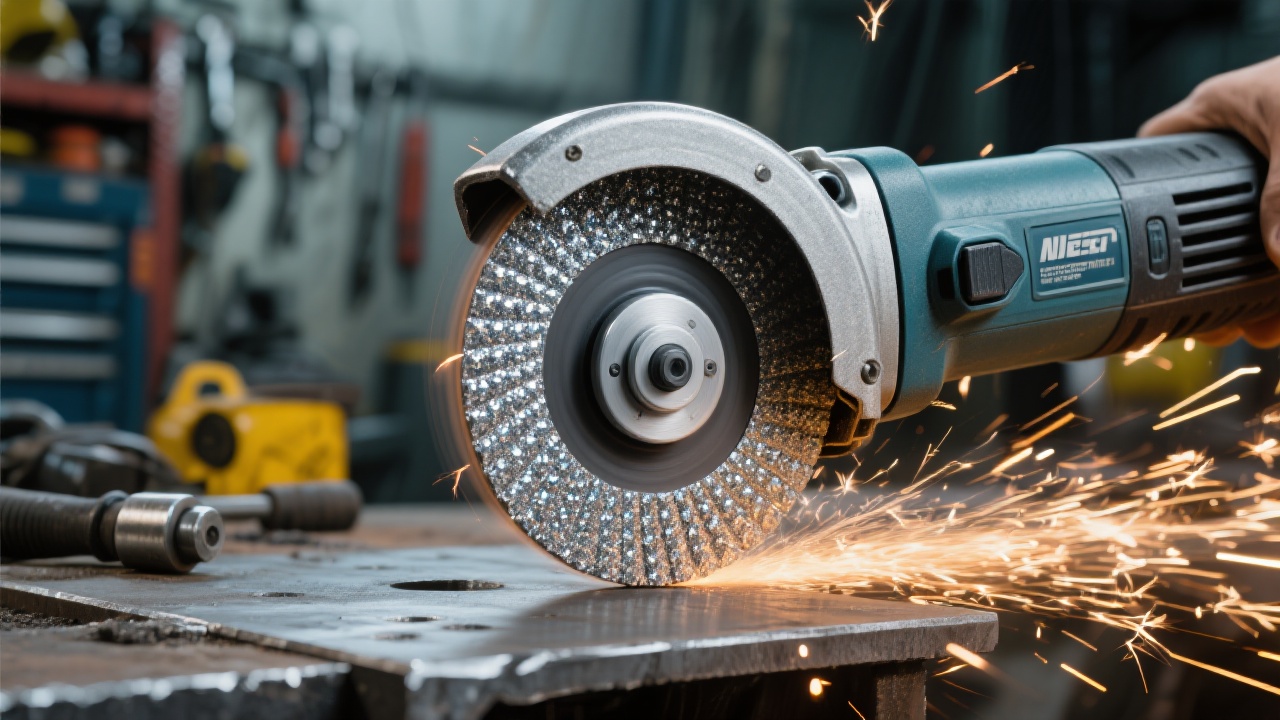
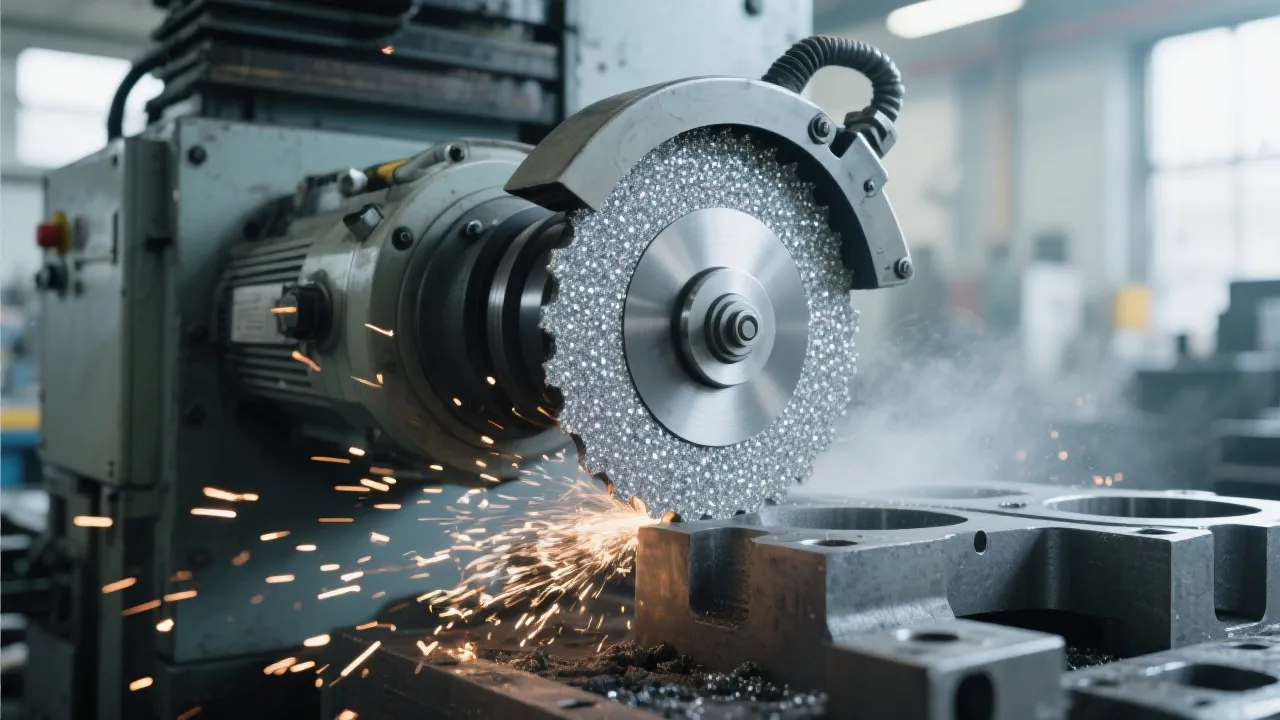
Stone cutting is rarely a perfectly steady-state process. You get starts/stops, variable coolant, density changes, and operator adjustments. Thermal cycling is unavoidable. A brazed tool’s advantage is not that it “never heats,” but that its retention mechanism can remain stable across realistic temperature swings—so diamonds keep cutting instead of progressively loosening.
Surface finish consistency (less rework), edge chipping rate (less rejection), and tool change interval (less downtime). In many export-oriented plants, even 15–30 minutes saved per shift from fewer stoppages can translate into more reliable packing schedules and fewer “expedite” costs.
If you’ve faced a sudden spike in tool consumption, inconsistent edge quality between shifts, or “mystery burns” that appear on certain stone colors, you’re not alone. Brazed diamond cutting tools are frequently adopted not as a luxury—but as a process stabilizer when export QC tightens.
Stronger diamond retention can help reduce sudden performance drop-offs that trigger mid-batch tool swaps—especially on granite with mixed mineral bands.
Controlled diamond protrusion and stable cutting action often support cleaner edges, reducing downstream polishing time or rework on visible surfaces.
The lowest unit cost tool isn’t always the lowest cost per finished square meter. Export lines often benefit more from stable output and fewer rejections than from shaving a small percent off tool purchase cost.
For procurement teams, the most actionable approach is to evaluate tools by application-fit (stone type, thickness, machine power, coolant) and by process KPI impact (downtime, finish, rework), not by one-dimensional “lifetime” claims.
If you’re cutting granite, marble, or engineered stone and want a clearer recommendation on brazed diamond geometry, grit strategy, and parameter targets, access a practical guide built for production teams and buyers.
Click to get the Brazed Diamond Cutting Tool Application Matching GuideTip: include your stone type, slab thickness, machine model, and whether you run wet or semi-wet cutting for a faster, more accurate match.
Not always in every micro-application. Electroplated tools can be excellent for high-precision, light-load tasks. Brazed tools often win when you need stronger retention under impact, higher sustained cutting aggressiveness, and more stable shift-level output—especially on granite.
The risk is mainly tied to process control. With proper alloy selection and controlled time/temperature profiles, brazing can deliver strong retention without sacrificing diamond performance. That’s why consistency in manufacturing matters as much as raw materials.
Ask for application references by stone type and thickness, request recommended cutting parameters, and evaluate performance by cost per finished output (including rework and downtime). A short controlled trial on your highest-rejection SKU often reveals the real value quickly.

.png?x-oss-process=image/resize,h_1000,m_lfit/format,webp)

.png?x-oss-process=image/resize,h_1000,m_lfit/format,webp)